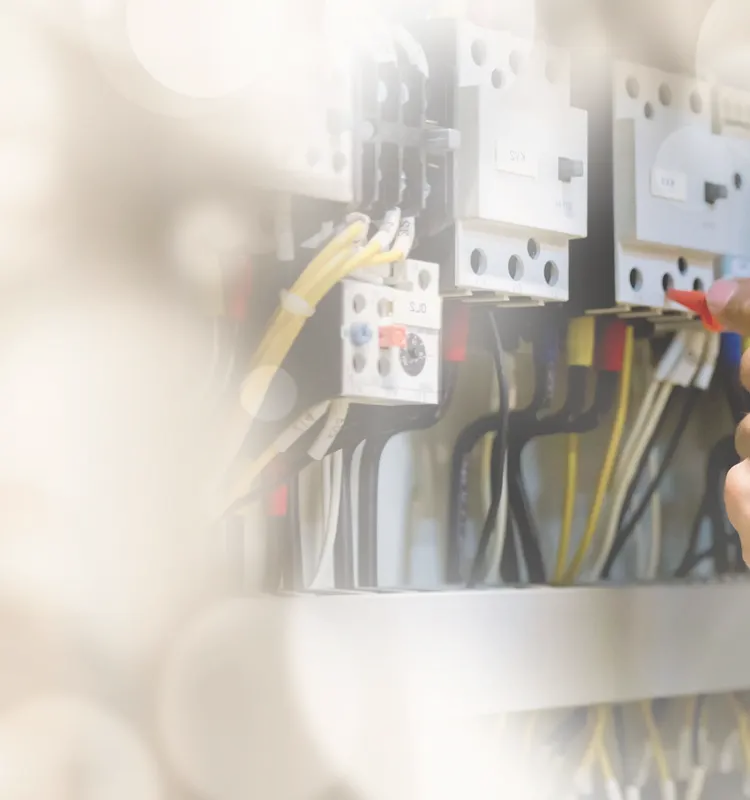
Homes in Wheat Ridge were built largely in the fifties and sixties, and most of them carry panels that were never sized for central air, a second refrigerator, or a car charger in the garage. The electrical contractors in Denver who serve this area know these houses well, and a call brings someone who can read a fuse box the way the original installer left it. A professional electrical panel upgrade is often the first thing these homes need before anything else can be added safely.
Wheat Ridge homeowners call a local electrician rather than a general one because the work inside these houses demands someone who has opened panels like this before and knows what to expect behind the walls.
Knowing Wheat Ridge Homes Changes What the Work Involves
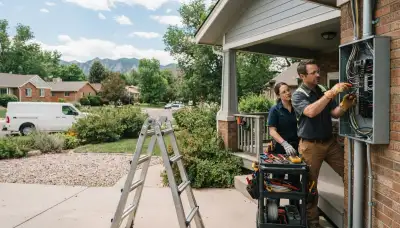
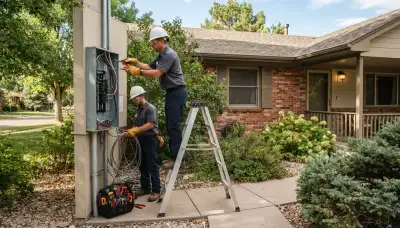
A local electrician working in Wheat Ridge recognizes a 60-amp fuse box on sight, knows the basement is usually where the panel lives, and understands that running a new circuit means threading wire through a finished floor rather than open framing.
These houses typically need two kinds of attention: panels that have run out of room and circuits that trip the moment a second appliance starts. Homeowners across Arvada, CO deal with similar issues in houses built the same decade, and the approach transfers directly. If a breaker refuses to reset or an outlet feels warm, the problem is worth addressing before it gets worse.
Electrical Work Matched to How Wheat Ridge Homes Are Built
An off-the-shelf approach fails in Wheat Ridge because the basement panel location, the finished ceilings above it, and the age of the branch wiring all change what a job actually involves before a single wire is touched.
Brick bungalows with plaster walls and wood-frame houses with finished basements each present different access problems. Running a circuit in one means cutting through plaster; in the other it means fishing wire through insulated cavities. Expert outlet repair in a house like this takes longer than the same job in new construction, and a local electrician prices and plans for that reality.
Four services fit these homes especially well: reliable GFCI circuit installation for kitchens and bathrooms that still have two-prong outlets, quality electrical panel installation when the fuse box has reached the end of its useful life, specialist electric car charger installation for garages that were never wired for that load, and professional generator installation for homeowners who want a backup when the grid goes down.
When Wheat Ridge Homes Were Built Still Shapes What They Need Today
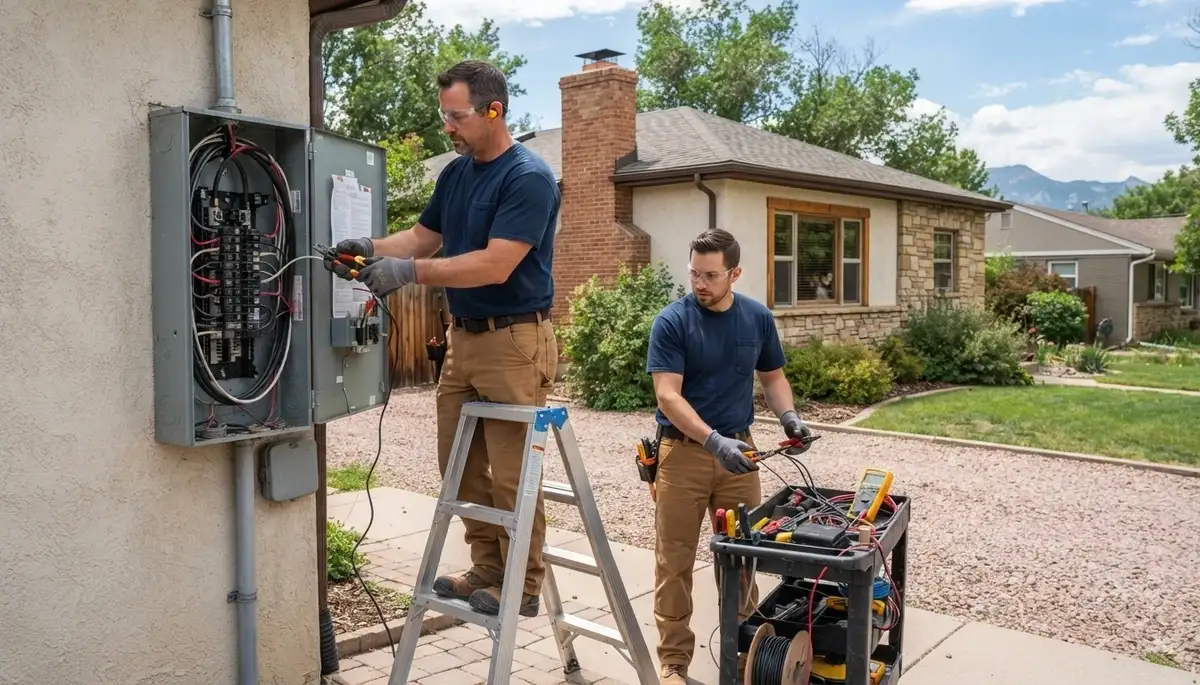
Most of the houses in Wheat Ridge went up in the fifties and sixties. Builders at that time ran two-wire circuits without a ground, installed 60-amp service as standard, and used wiring methods that were code-compliant then but were never designed for the loads a household runs today. Three things follow from that era: the panel is almost certainly undersized, the outlets in older rooms have no ground, and any aluminum wiring added in the late sixties carries its own set of connection risks.
Fuses That Keep Blowing
A homeowner in a Wheat Ridge house from this era may still have a fuse box with no empty slots. Every time a load spikes, a fuse blows, and swapping it for a higher-rated one only moves the risk further into the wiring. Left alone, the wiring itself becomes the fuse.
Local electricians replace the fuse box with a properly rated breaker panel, add the circuits the house actually needs, and bring the service up to what the household draws. The work is done in a single day in most of these homes, and the panel has room to grow.
Outlets Warm to the Touch
Aluminum wiring, common in homes built in the late sixties, expands and contracts at a different rate than the devices it connects to. Over decades, connections loosen, resistance builds, and outlets or switch plates become noticeably warm. A warm outlet is not a minor nuisance; it is a connection that is failing under load.
Electricians correct this by installing approved connectors at every aluminum-to-device junction or by replacing the affected runs entirely. Homeowners in Golden, CO with houses from the same period have had this done, and the result is a connection that stays cool and stable under normal household use.
Two-Prong Outlets Throughout the House
Two-prong outlets are what a house gets when the wiring was installed before grounding was required. Adapters let a three-prong plug fit the socket, but they do not add a ground. Sensitive electronics, appliances with metal housings, and anything on a surge strip all depend on that ground to protect them.
Adding grounded outlets to these rooms means either running a ground wire back to the panel or installing GFCI outlets where the code allows them as a substitute. Both approaches give the homeowner a safe, grounded receptacle and remove the need for adapters.
A Service That Was Never Sized for What Was Added
A 60-amp or 100-amp service made sense when the house was built and the largest load was a window unit and a clothes dryer. Adding central air, a second refrigerator, and a car charger in the garage pushes that service past what it was designed to handle, and heat builds in the panel every time the compressor starts on a hot afternoon.
Electricians bring the service up to 200 amps, replace the panel, and verify that each circuit is properly sized for what it feeds. Afterward the homeowner can run the car charger, the air conditioning, and the kitchen at the same time without watching the breaker box.
Finished Ceilings That Block the Run
In a Wheat Ridge home with a finished basement ceiling below the first floor, running a new circuit is not a matter of stapling wire across open joists. The electrician has to plan a route that avoids cutting through drywall in every room along the way.
Local electricians who work in these houses regularly know the routing options: up through interior walls to the attic, along a utility chase, or through a closet. The work gets done with minimal disruption, and the homeowner does not end up with a row of patched holes across the ceiling.
Arrange a no-pressure visit from a local electrician by calling (720) 966-1010. Someone familiar with Wheat Ridge homes will take a look, explain what the panel and wiring actually need, and give a straight answer before any work begins.
On Call Electrical brings dependable work to Wheat Ridge homes, done right the first time.

Full Electrical Services Available Across Wheat Ridge, CO
The services below cover the range of electrical work available to Wheat Ridge homeowners. Find the one that matches what the house needs right now.
Urgent Electrical Repairs for Wheat Ridge, CO Homes
- Electrical Repair - A breaker that will not reset or an outlet that has stopped working needs attention before the problem spreads to other circuits.
- Outlet Repair - Outlets that spark, feel warm, or no longer hold a plug are a sign the connection behind the wall has failed.
- Switch Repair - A switch that clicks but does nothing, or one that feels loose in the box, points to wiring that has worked loose over decades of use.
- GFCI Circuits - Kitchens and bathrooms in older Wheat Ridge homes often lack the test-and-reset outlets required near water; adding them removes a real shock risk.
- Smoke Detector Installation - Detectors that chirp, fail to respond, or are missing from key areas of the house leave the homeowner without early warning.
If any of these match what is happening in the house right now, a call to a local electrician is the right next step.
Panel, Capacity, and Wiring Work for Wheat Ridge, CO Homes
- Electrical Panel Upgrade - A panel from the fifties or sixties was built for a fraction of what a household draws today; upgrading it gives the home room to run everything safely.
- Electrical Panel Installation - When the existing box is beyond repair or has no room left, a new panel replaces it with properly rated breakers and labeled circuits.
- Electrical Wiring - Old two-wire runs without a ground, or wiring that has been spliced and extended by previous owners, eventually need to be replaced from the source.
- Electrical Service - Bringing the service entrance up to 200 amps is the foundation for every other upgrade a Wheat Ridge home might need.
- New Construction Wiring - Additions and garage conversions on older Wheat Ridge properties need wiring run from scratch to match what the new space will carry.
These are the jobs that change what the house can safely handle for the next several decades, not just for today.
Safety and Protection Services for Wheat Ridge, CO Homes
- Home Electrical Inspections - An inspection of a Wheat Ridge home from the fifties or sixties often turns up grounding problems, overloaded circuits, or wiring that has never been updated.
- Whole Home Surge Protection - A single voltage spike can damage every appliance and device in the house; whole-home protection stops the surge before it reaches them.
- Lightning Surge Protection - A direct or nearby strike sends a surge through the service entrance that a power strip cannot stop; dedicated protection at the panel is what holds.
- Fire Alarm Installation - Interconnected alarms that sound throughout the house give every occupant time to get out, which a single battery-powered detector in one room cannot do.
- GFC Outlets - Replacing two-prong outlets with GFCI receptacles in bathrooms, kitchens, and garages removes the shock risk that comes with ungrounded wiring near water.
Each of these services addresses a risk that is easy to overlook until something goes wrong. A Wheat Ridge home that has had all five addressed is a safer place to live, and a homeowner who has gone through the list can stop wondering what is still waiting to fail. A local electrician can walk through the house, identify what has already been done, and point to what still needs attention.
Lighting, Outdoor, and Added-Load Services for Wheat Ridge, CO Homes
- Electric Car Charger Installation - A dedicated circuit sized for a Level 2 charger keeps the car ready without pulling the panel past what it was built to handle.
- Landscape Lighting - Outdoor lighting on a Wheat Ridge property needs weatherproof connections and a circuit that was planned for outdoor use, not tapped from an interior run.
- Security Lights - Motion-activated lights at entries and along the sides of the house need a dedicated feed and proper weatherproofing to stay reliable year after year.
- Recessed Lighting Installation - Adding recessed fixtures to a room with a finished ceiling above means planning the run carefully so the ceiling stays intact.
- Ceiling Fan Installation - Older Wheat Ridge homes often have light-duty boxes in the ceiling that were never rated to hold a fan; replacing the box and running a proper circuit is part of the job.
These services address what Wheat Ridge homes are being asked to carry as households add vehicles, outdoor equipment, and modern lighting to properties that were originally wired for far less. A local electrician can assess what the panel has room for and plan each addition so the whole system stays balanced.