
Homes across Lone Tree were built with panels sized for far less than what a modern household now runs, and homeowners often notice a breaker box with no room left for another circuit. Local electricians in the electrical contractor in Denver network handle this daily, alongside expert electrical panel upgrade work suited to these houses.
That gap between old capacity and new demand is exactly why homeowners here call someone who already knows the pattern, not a general handyman guessing at it.
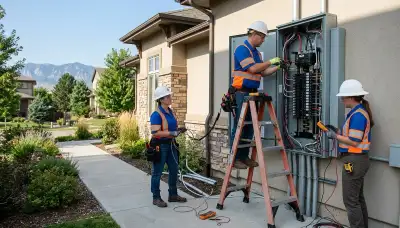
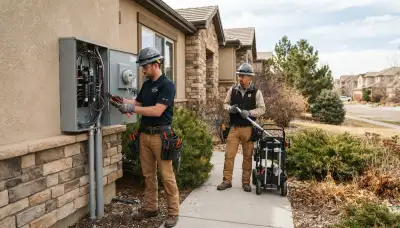
Why Local Knowledge Changes Outcomes in Lone Tree
A local electrician recognizes how panels, grounding, and circuit layouts were done when Lone Tree homes went up, and knows which shortcuts from that era still cause trouble decades later.
Two common jobs stand out: replacing undersized panels that trip under everyday use, and adding circuits where none exist. Homeowners comparing options sometimes also reach out to an electrical contractor in Centennial, CO for similar work.
A flickering light or a warm outlet is worth a look now, before it becomes a bigger repair.
Electrical Work Matched to How Lone Tree Homes Are Built
A generic approach fails here because panel location, what sits beneath the house, and how far a circuit has to travel all change what a job actually requires once work begins.
Some Lone Tree homes sit over full basements with the panel down a short flight of stairs, others sit on a slab where new wiring means opening a wall; each changes the job, and each may call for reliable GFCI circuits protection along the way.
Homes here also commonly need quality electrical panel installation, professional home electrical inspections, specialists in generator installation, and reliable smoke detector installation to bring older systems in line with what these houses now need.
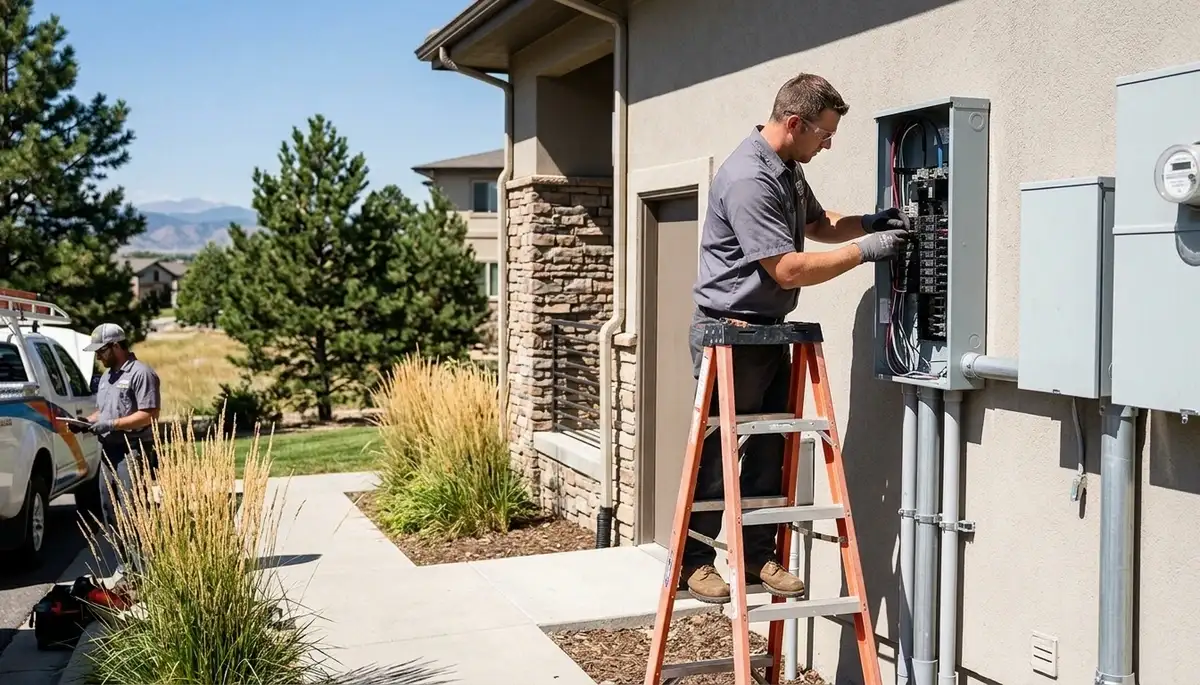
When Lone Tree Homes Went Up Still Shapes the Work
Most homes in Lone Tree went up from the 1990s through the mid 2000s, when panels were sized for central air and a handful of appliances but not for the electric loads households run today. That leaves three lasting effects: panels with little spare capacity, circuits stretched thin in kitchens and home offices, and outdoor wiring never planned for equipment added later.
Panel Running Out of Room
Homeowners notice a breaker box with every slot filled and no place to add a circuit for a new appliance or workshop tool. Behind it sits a panel sized for a smaller household than the one living there now, and left alone it forces overloaded circuits and repeated tripping.
Local electricians correct this by installing a panel sized for current and future load, adding room for growth without guesswork. Homeowners near an electrical contractor in Aurora, CO request the same upgrade for similar reasons.
Circuits That Trip Under Normal Use
A microwave and a coffee maker running together shouldn't trip a breaker, but in many Lone Tree homes it happens because too few circuits were run for how kitchens and bathrooms are used now. Extension cords end up doing the job permanent wiring should.
Adding dedicated circuits where they're needed removes the guesswork of what can run at once. Homeowners get a kitchen and bathroom that handle daily use without a trip to the breaker box.
Outlets Without Grounding Protection
Decades of use have left some outlets near sinks and garages without the reset-button protection now expected in those spots. Without it, a fault at the outlet has no safe path to interrupt itself before it becomes a shock hazard.
Swapping in outlets with test and reset buttons closes that gap. It improves both shock protection near water and the safety of anything plugged in nearby, without altering the wall itself.
Panels Never Sized for a Car Charger or Pool Pump
Adding a car charger, a pool pump, or new air conditioning pushes a panel built for a smaller household past what it can comfortably carry, and heat only makes an already-strained circuit worse. Homeowners often discover this only after something trips repeatedly.
A local electrician evaluates the panel and adds capacity where the math no longer works, whether that means a subpanel or a full upgrade. Afterward, a car charger, pool equipment, and central air can all run without competing for the same limited circuit.
Tight Lots Complicating Outdoor Runs
Detached garages and long driveways mean outdoor circuits sometimes travel further than the original wiring was built to reach, and a tight lot can limit where new conduit is run without disturbing landscaping.
Local electricians plan the route before opening anything, using existing access points where possible. This keeps disruption to a single afternoon in most cases rather than a multi-day project.
Call (720) 966-1010 to arrange a no-pressure visit with a local electrician who can look at the panel, the outlets, and the circuits in question. There's no obligation attached to the conversation.
On Call Electrical brings dependable, consistent work to every visit across Lone Tree.

The Full Range of Electrical Services Available in Lone Tree, CO
Below is the range of work available to homeowners here, organized so it's easy to find what matches the issue in front of you.
Urgent Electrical Repair Needs in Lone Tree, CO
- A breaker that will not reset after tripping
- An outlet that feels warm when something is plugged in
- Lights that flicker or dim when the air conditioner starts
- Sparking or a burning smell near a switch
- A panel making a buzzing sound
Any of these warrants a same-visit look rather than waiting for the problem to repeat.
Panel and Wiring Upgrades for Lone Tree, CO
- Replacing a panel with no room for additional circuits
- Upgrading old wiring that no longer meets a household's needs
- Adding dedicated circuits for kitchen or laundry appliances
- Running new wiring for a finished basement or added room
- Installing a subpanel for a garage or workshop
These jobs address what the home was originally wired for versus what it's now expected to carry, closing that gap permanently.
Safety and Protection Upgrades for Lone Tree, CO
- Installing outlets with test and reset buttons near sinks and garages
- Adding whole home surge protection ahead of lightning season
- Installing smoke detectors tied into a single system
- Adding a fire alarm system sized for the house
- Correcting outlets that still show only two prongs
Each of these addresses a specific risk, whether it's shock near water, a surge frying electronics, or a fire going undetected until it's too late, and each is a straightforward fix once identified.
Lighting, Outdoor, and Added-Load Work for Lone Tree, CO
- Installing landscape lighting along walkways and entries
- Wiring a pool pump or pool lighting system
- Adding a car charger circuit in the garage
- Installing recessed lighting during a room update
- Wiring a new ceiling fan for better airflow
This group covers the additions homeowners make once the basics are handled, from outdoor lighting to charging equipment, all sized to what the existing panel can support.