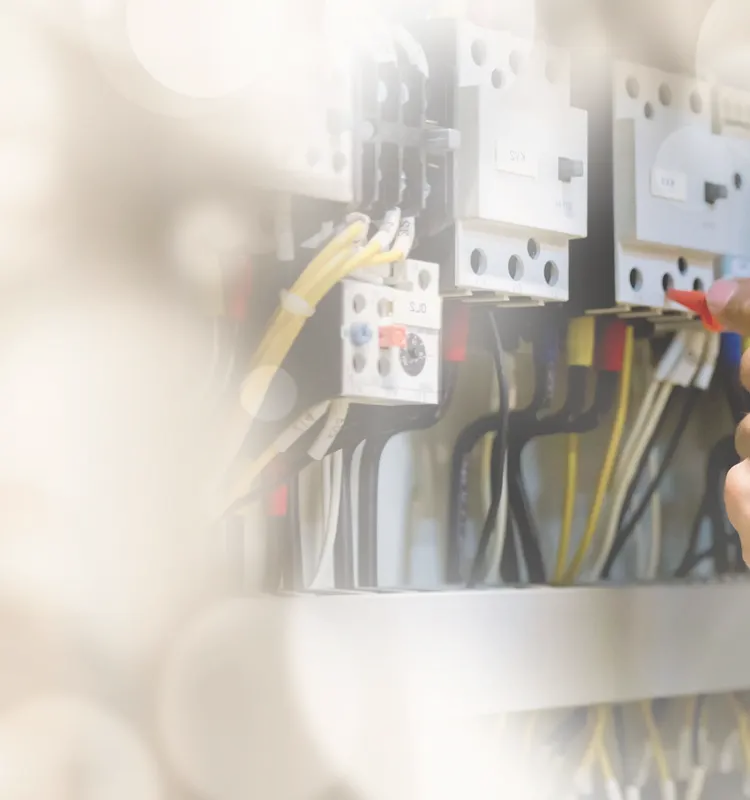
The network of electrical contractors in Denver reaches directly into Glendale, CO, where a lot of the homes were built in the sixties and early seventies and still carry the original panels and wiring from that era. Outlets warm to the touch, breakers that trip when two appliances run at once, and panels with no room left for a new circuit are the things homeowners here notice first - and each one points to something a local electrician needs to look at. Reaching those panels and running new circuits through walls built the way these homes were built calls for expert electrical panel upgrade work done by someone who has been inside houses like these before.
Homeowners in Glendale call a local electrician rather than a general one because the work inside these houses is specific - the way the panel sits, where the wiring runs, and what the house was originally built to carry all shape what a job actually takes.
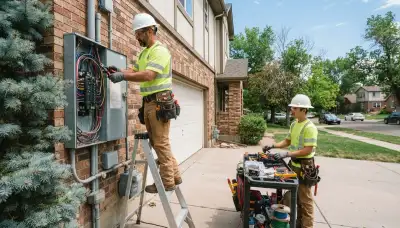
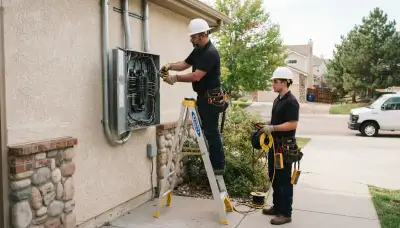
What Local Electricians Know About Glendale Homes
Houses in Glendale built in the sixties and early seventies were wired for a load that bears no resemblance to what a household runs today. A local electrician knows where the panel typically lives in a house built this way, how the circuits were laid out, and where the wiring is most likely to show wear.
These homes most often have the panel in a utility closet or on an interior wall, with wiring running through finished walls and ceilings that have to stay intact. Work in Englewood, CO follows similar patterns, and homeowners there searching for an electrical contractor in Englewood, CO face the same access questions a Glendale job does.
If an outlet feels warm or a breaker will not stay reset, that is the house telling the homeowner something is wrong - getting it looked at now costs far less than waiting.
Work Matched to How Glendale Homes Are Built
An off-the-shelf approach fails in houses built this way because the structure decides what a job involves. Panels tucked into utility closets, finished walls with no attic access above them, and slab-on-grade construction in some of these homes mean that running a new circuit is not always a quick morning of work.
Some houses here are wood-frame with a partial basement where the panel and main wiring are reachable; others sit on a slab where every new run means opening walls or ceilings. Attached units share walls that limit where conduit can go, and that changes the approach entirely. Professional GFCI circuit installation is one of the most common fixes in these homes because original wiring near kitchens and bathrooms was installed before that protection was required.
The four services Glendale homes ask for most often are quality electrical wiring to replace runs that have degraded, specialist outlet repair for receptacles that no longer hold a plug, reliable ceiling fan installation where original boxes were never rated for a fan, and professional electrical panel installation when the existing box has run out of room.
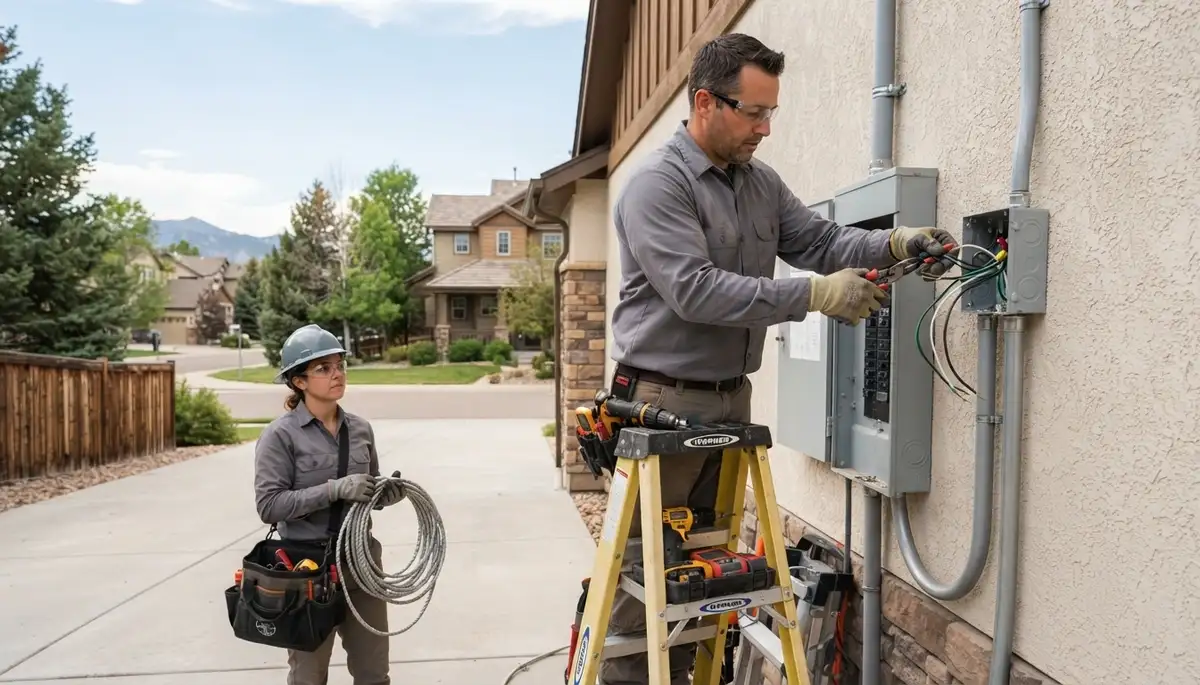
When Glendale Homes Were Built Still Shapes What They Need
Most of the homes in Glendale went up in the sixties and into the early seventies. Houses built in those years came with sixty- or one-hundred-amp service, two-prong outlets in most rooms, and wiring that in some cases used aluminum rather than copper on the branch circuits. Those three facts still drive most of the electrical work that comes up in these houses today.
Fuses Instead of Breakers
Some of these homes still have a fuse box rather than a breaker panel. A blown fuse replaced with one of a higher rating - a common workaround - means the wiring is now carrying more than it was ever meant to handle. Left alone, that is a fire risk that grows every time a heavy load runs on that circuit.
Local electricians replace fuse boxes with modern breaker panels sized for what the house actually needs today. Homeowners in Aurora, CO face the same situation, and those looking for Aurora, CO residential electricians find the same panel replacement work at the top of the list.
Outlets Warm to the Touch
An outlet that feels warm, or one where a plug fits loosely and arcs when pulled, points to wiring that has oxidized or connections that have worked loose over decades of use. In homes from the late sixties and early seventies, aluminum branch circuit wiring is sometimes behind it - aluminum expands and contracts differently than copper and the connections loosen over time.
Local electricians assess the wiring, replace problem connections with the correct fittings for aluminum-to-copper joins, and test every outlet on the affected circuit so the homeowner knows the fix is complete and not just patched.
No Room Left in the Panel
A panel with every slot filled and no space for a new breaker is not just inconvenient - it means the house cannot safely take on another circuit without something being addressed first. Homes built in this era were sized for the loads of that time, and the panel was full before the first air conditioner or dishwasher was added.
Replacing or upgrading the panel gives the house the capacity it needs and leaves room for what comes next. The homeowner can add circuits without worrying that the box is already at its limit.
A Car Charger the Panel Was Never Sized For
Adding an electric vehicle charger to a home that was wired for a much smaller load puts a sustained draw on a panel that was never built for it. On a hot afternoon when the air conditioning is already running, that combination can push the service past what it can handle without tripping or worse.
Local electricians calculate what the panel can carry, add a dedicated circuit for the charger at the right rating, and confirm the service entrance can support the total load. The homeowner can charge overnight without watching the breaker box.
Wiring Behind Finished Walls
In a house where the walls are finished and there is no attic run above the room that needs a new circuit, getting wire from the panel to the outlet means working through what is already there. That physical constraint is what separates a straightforward job from one that takes planning and the right tools.
Local electricians who know these houses come prepared for that constraint - fishing wire through finished walls, keeping openings small, and patching what was opened so the work does not leave the room looking like a construction site.
Call (720) 966-1010 to arrange a no-pressure visit with a local electrician who can look at what the house has and tell the homeowner exactly what it needs - no guessing, no upselling.
On Call Electrical handles the work in Glendale homes so it holds the first time.

Full Electrical Services Available in Glendale, CO
The list below covers the range of work available to homeowners in Glendale, CO. Find what fits the situation and reach out to get it handled.
Urgent Electrical Repairs for Glendale, CO Homes
- Electrical Repair - a breaker that will not reset or an outlet that stopped working needs attention before the problem spreads to other circuits in the house
- Outlet Repair - loose receptacles, outlets that spark when a plug is inserted, or dead outlets in a kitchen or bathroom are the most common urgent calls in these homes
- Switch Repair - a switch that buzzes, feels warm, or no longer controls the fixture it was wired to is a connection problem that should not wait
- GFCI Circuits - homes wired before ground-fault protection was required need the outlets with test and reset buttons added near water, and that work is often urgent once a problem is spotted
- Smoke Detector Installation - detectors that chirp, fail to test, or are missing from required locations need to be replaced or added right away
If the problem is happening now, call (720) 966-1010 and a local electrician will get to the house.
Panel, Capacity, and Wiring Work for Glendale, CO Homes
- Electrical Panel Upgrade - homes that came with sixty- or one-hundred-amp service are often undersized for what they run today, and upgrading the panel is how that gets corrected
- Electrical Panel Installation - when the existing box is at the end of its useful life or has no room for new circuits, a full panel replacement puts the house on solid footing
- Electrical Wiring - wiring that has degraded, was run in aluminum, or was never rated for the loads now on it needs to be replaced rather than extended
- Electrical Service - the connection between the house and the supply line may need to be upgraded when the panel is replaced or when a major load is added
- New Construction Wiring - additions, finished basements, and garage conversions in these homes need wiring run from scratch to match what the rest of the house now requires
These homes were built for a smaller load than they carry now - getting the panel and wiring right is what makes everything else work.
Safety and Protection Work for Glendale, CO Homes
- Home Electrical Inspections - a full inspection finds what the homeowner cannot see: undersized wiring, loose connections, and circuits that are overloaded before a problem shows up
- Whole Home Surge Protection - a single surge from outside the house can damage every appliance and device on the circuit, and protection installed at the panel stops it before it reaches anything
- Lightning Surge Protection - homes without surge protection at the panel are exposed every time a surge travels down the line, and the damage is rarely covered without it
- Fire Alarm Installation - interconnected alarms that all sound when one detects smoke give a household time that standalone units do not
- GFC Outlets - replacing two-prong outlets near water with the correct ground-fault protected receptacles is one of the most straightforward safety upgrades in homes of this age
Every one of these services addresses a risk the homeowner can picture - a surge that kills the refrigerator, a fire that starts in the wall, an alarm that does not wake anyone in time. Getting them handled is how a house stops being a liability and starts being safe. Reach out to a local electrician to find out which ones apply to the house.
Lighting, Outdoor, and Added-Load Work for Glendale, CO Homes
- Recessed Lighting Installation - adding recessed fixtures to rooms that only had a ceiling box means running new wiring and confirming the circuit can carry the added load
- Landscape Lighting - outdoor lighting runs on circuits that age differently from the ones inside the house, and homes with mature landscaping often need those circuits assessed before new fixtures go in
- Electric Car Charger Installation - a dedicated circuit for a vehicle charger is one of the most common added loads these homes are being asked to carry, and it requires a panel that has room and service that is sized for it
- Ceiling Fan Repair - original ceiling boxes in these homes were not always rated for a fan, and a fan that wobbles or hums is often mounted on a box that needs to be replaced before the fan can work correctly
- Generator Installation - a permanently wired generator requires a transfer switch and a dedicated circuit, and the panel has to have the capacity to support it
These are the loads that homes in Glendale are being asked to carry now - loads the house was not built for and that need the right wiring and panel capacity behind them to work safely and reliably. Call (720) 966-1010 to talk through what the house needs.